
U.S. Tariffs Over EU Aircraft Subsidies

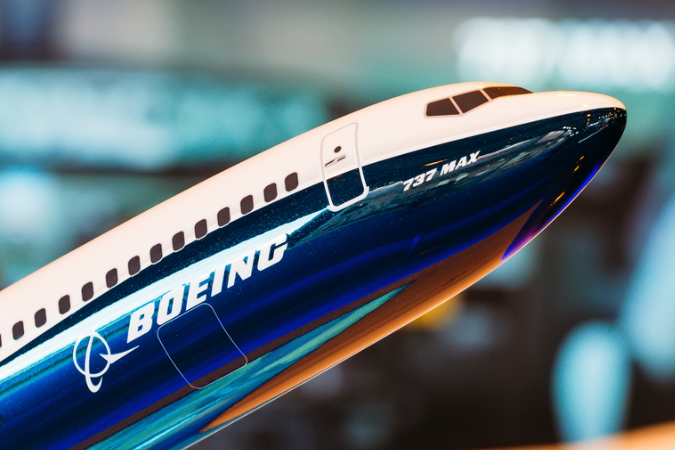
model of Boeing aircraft 737 max

The ongoing dispute between the U.S. and the EU regarding illegal government aid to Boeing Co. and Airbus SE has once again come to a head under the World Trade Organization (WTO). The WTO revealed these two enterprises (the largest plane manufacturers in the world) received billions of dollars in unlawful subsidies, making this the largest corporate trade dispute in history. The U.S. administration is awaiting the WTO’s final accounting of the damages caused by the unlawful aid and is expected to impose retaliatory tariffs on European products and imports.

The U.S. published an initial list of proposed tariffs on April 12th, with an estimated trade value of $21 billion. Most recently, the United States requested an additional list of tariffs over EU aircraft subsidies and supplemental products to be reviewed by the WTO, valued at an additional $4 billion in import value. While the WTO has found the EU subsidies to be in violation of international trade rules, it has yet to reach a verdict regarding the amount of countermeasure enforceable by the U.S. The WTO is expected to announce its verdict this summer.

Imports Affected by Tariffs

The United States’ initial list of proposed tariffs targeted not only EU aircraft carriers and aircraft parts but also apparel, ceramics, kitchenware, and agricultural products like cherries, meat, and pasta. The latest list includes tariffs on other vital imports, such as grains, metal products, cast-iron tubes and pipes, dairy products (cheese, butter, and yogurt), olives, and certain types of whiskey.

Cheese is just one example of how tariffs on a single product can make a significant impact on trade. America is the EU’s largest buyer for cheese products, with 76% of U.S. cheese imports coming from Europe in 2018. If the estimated tariffs are implemented, the quantity of cheese imported to the U.S. could decrease by 7,000 to 10,000 tons per year.

Many U.S. industries oppose the proposed tariffs in fear they will negatively impact business and trade. The Distilled Spirits Council of the United States commented on the additional list of tariffs, saying, “U.S. companies—from farmers to suppliers to retailers—are already being negatively impacted by the imposition of retaliatory tariffs by key trading partners on certain U.S. distilled spirits … and these additional tariffs will only inflict further harm.” The United States Trade Representative (USTR) is accepting public comments on the supplemental list of tariffs, particularly regarding whether the additional list could adversely affect small businesses and consumers in America. The USTR public hearing is scheduled to be held on August 5th.

What It Means for the Shipping and Logistics Industry

If the proposed tariffs on EU output go into effect, it will increase the cost of aircraft parts and manufacturing as well as agricultural goods imported from European producers. When prices for imported goods increase due to tariffs, Americans buy fewer imported products, and the shipping and logistics industry consequently ships fewer imports. When the demand for shipping and freight decreases, so do profit margins for freight forwarders. The shipping and logistics industry will have to form new relationships, identify alternative producers and allies, and optimize more cost-effective routes to stay ahead against reduced trade resulting from the tariffs.

Global Shipping’s Import and Export Consulting

International trade is complex, especially in the wake of proposed tariffs and the subsequent changes to imports and exports. Global Shipping understands the hassle and confusion surrounding shipping goods from one country to another. Our expert import and export consulting services ensure that you have a solution to every question for a seamless import/export process. Our consultants are experienced in every aspect of the business—not only do we specialize in advising importers and exporters, but we also provide customs brokerage and documentation services. Contact us today to complete your international shipping processes with help from experienced consultants.


Shipping Hazardous Materials Internationally

Storage of chemicals in barrels on pallets - logistics and shipping

Shipping Hazardous materials internationally by air or sea is risky without an understanding of the rules and regulations that guide everyday operations. Not abiding by international shipping regulations can lead to financial and legal problems and put crew members at risk of injury. Therefore, The Hazardous Material Transportation Act (HMTA) was enacted in 1975 by Congress to force companies transporting hazardous materials to abide by Hazardous Materials Regulations (HMR), ensuring the swift and safe delivery of goods around the world.

With a thorough understanding of international shipping regulations, Global Shipping Services makes shipping hazardous goods easy. By working with an experienced and reputable freight forwarder, you have peace of mind knowing goods will arrive at their final destinations without difficulty or danger.

Shipping Hazardous Materials by Air
Many items are classified as hazardous materials, even unassuming goods that may seem harmless. Cooking oils, nail polish, and perfume are flammable items that need to be packed carefully before transport. Alongside more obviously dangerous goods like dry ice, explosives, chemicals, and flammable materials, everyday goods may qualify as hazardous. Global Shipping Services is an expert in the industry when it comes to shipping dangerous goods by air. We help identify hazardous items and are prepared to ship goods produced by chemical companies and retailers alike. To ensure the safe delivery of all hazardous goods by air, we abide by the following regulations outlined by the International Air Transport Association.

Labeling – Hazardous items are classified into nine categories and labeled accordingly to ensure goods are safely loaded.

Packing – We identify the appropriate packing groups, as outlined by the UN, for hazardous goods to be shipped by air.

Documentation – Personal and regulatory information is collected to ensure goods are shipped safely and legally.

Shipping Dangerous Goods by Sea
Similar rules apply to the transportation of goods by sea. Hazardous goods shipping regulations outlined by the International Maritime Dangerous Goods code ensure supply chain organizations keep the environment, various vessels, and their workers safe while delivering goods out at sea. Global Shipping Services has vast experience when it comes to shipping dangerous goods by sea, and we simplify the process by ensuring the following.

Classification & Labeling – Goods are appropriately labeled according to their classification group to help handlers identify and move cargo quickly. Classifications under the International Maritime Organization are listed here.

Packing – Inner and outer packaging is used to support the safe handling of hazardous goods, making sure packing materials don’t weaken or react dangerously with other substances.

Package Segregation – Certain hazardous cargo is separated from other substances on the vessel if it could dangerously react with other items.

Why Use Global Shipping for Your Hazardous Shipments?
We have over 10 years of experience in the freight forwarding industry and are expertly prepared to meet your shipping needs. By facilitating the transportation of goods from their point of origin to their final destinations, you don’t have to worry about missing any important information or packing goods incorrectly. Your shipments won’t be delayed or denied entry, and more importantly, you won’t accidentally make any dangerous shipping mistakes. We make sure shipments comply with the International Air Transport Association and follow the International Maritime Dangerous Goods code. Every package is carefully classified, labeled, packed, and documented for your safety and peace of mind.

Contact Global Shipping Services Today
To gather more information and receive a quote on your next shipment, contact a freight forwarding expert today. We offer complete logistics solutions to a variety of businesses in many industries and are happy to safely and swiftly get your goods where they need to be.

The Future of the Project Cargo Industry

Businessman surfing of a digital tablet and reviewing a tack of shipping containers

As the industries relying on project cargo continue to grow, so do the challenges cargo logistics face. There has been a persistent increase in demand for the project cargo sector from industries such as aerospace, oil and gas, and energy. In order to meet the growing demands from industries relying on project cargo, logistic and transportation solutions now have a greater need for comprehensive, efficient, and digital answers to streamline processes.

Continue reading “The Future of the Project Cargo Industry”